Oversized typography, hard crops, paper texture, and unapologetic negative space.
The curated prompt style atlas
Find yourvisual language.
Explore visual styles through reference images, study the language behind each result, and copy the matching prompt in one click. A human-curated atlas for image makers, designers, and writers.
Explore the atlas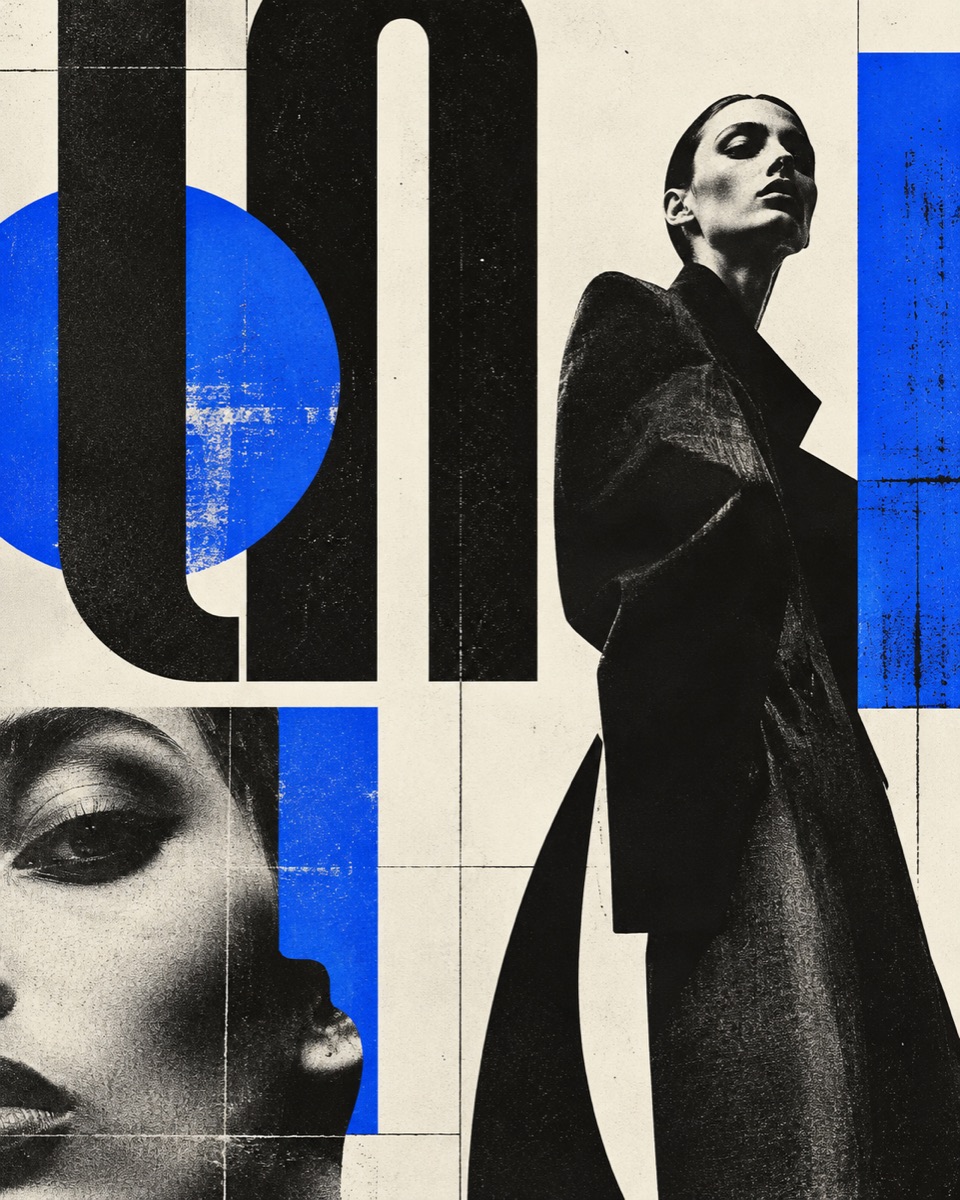
Image + source prompt
see it. understand it. make it yours.
Every image stays attached to the prompt and named style that produced its visual language.
16curated styles
10prompt-matched images
$0free to explore
The visual atlas
Images filed by visual language.
Each image is organized under a named style and paired with the prompt behind it. Search by mood, medium, or technique, then copy and adapt the prompt without losing its visual grammar.
Model
Restrained product imagery built from natural materials, soft daylight, and exact spacing.
Optimistic Y2K forms, mirror-polished surfaces, and luminous synthetic color.
A candid, close-range flash look with gentle grain and imperfect late-night color.
Primary geometry and disciplined rhythm, softened with a playful editorial sensibility.
Turns a vague brand personality into a practical voice with rules and examples.
Generates distinct campaign territories instead of a pile of interchangeable taglines.
Turns raw interviews into evidence-backed patterns without flattening disagreement or uncertainty.
Frames a messy research question into evidence, counterarguments, and decisions.
A lucid, miniature-world diagram for explaining products, workflows, and systems.
Wet streets, fractured reflections, and a single human moment in a dense night frame.
Loose botanical forms translated into misregistered, two-ink riso layers.
Warm, handmade character scenes with velvety paint and quietly magical details.
Everyday rooms made strange through one impossible shift in size and gravity.
Builds an argument around a non-obvious claim, evidence, opposition, and practical consequence.
Creates interface copy as a coherent system across states, errors, and moments of reassurance.
How the atlas works
A useful prompt explains its taste.
We organize prompts as creative systems, so you can understand why a result looks the way it does—and change it deliberately.
01
Name the visual language
Every style begins with recognizable references: medium, era, material, lighting, composition, and emotional temperature.
02
Expose the moving parts
Variables are visible and purposeful. Swap the subject or setting without losing the style's underlying grammar.
03
Make it model-flexible
Most entries are written in plain visual language, then tagged with the models where that direction works especially well.
Why this exists
Less prompt noise. More creative range.
The internet has millions of isolated prompts and very few useful maps. Prompt Style Atlas collects durable styles, explains their ingredients, and makes exploration feel more like art direction than slot-machine prompting.
The principle
A prompt should teach you a visual language, not hand you a magic spell.
100%
Curated by humans. Readable before it is copyable.
A few useful answers
Is this a prompt optimizer?
No. It is a visual reference library that organizes images by prompt style and keeps every example paired with a copyable prompt.
Do I need a specific AI model?
No. Universal styles are model-agnostic, while model labels simply show where a prompt has the strongest fit.
Are the prompts free to use?
Yes. The initial library is free to browse, copy, adapt, and save locally in your browser.
Where are my saved styles stored?
Favorites stay in your browser on this device. No account is required for the first version.